
Retinol Serum: Benefits, Uses, and How It Transforms Your Skin

Retinol has become one of the most widely recommended skincare ingredients due to its powerful and well‑researched ability to improve skin texture, reduce signs of aging, and address common concerns such as acne and uneven tone.
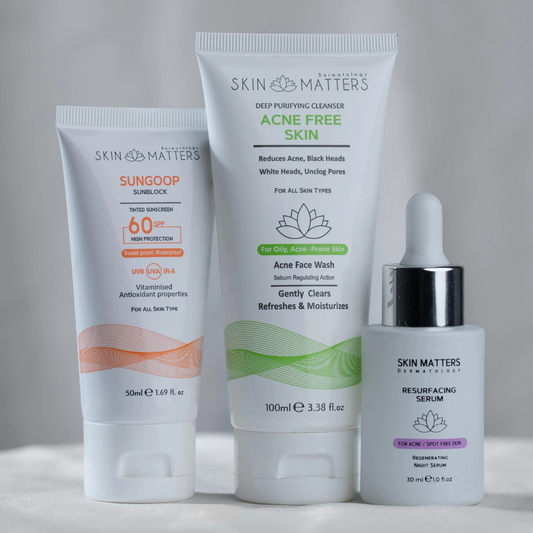
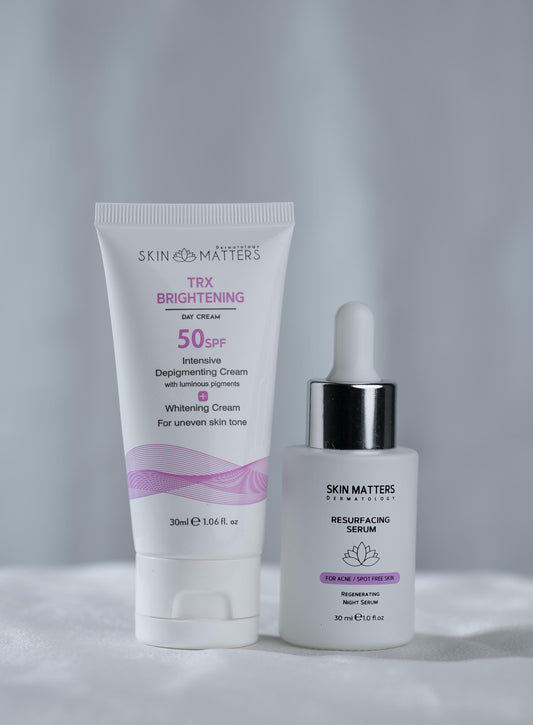
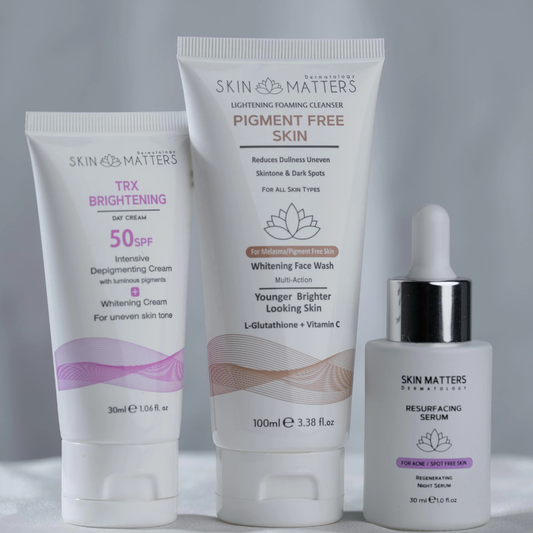
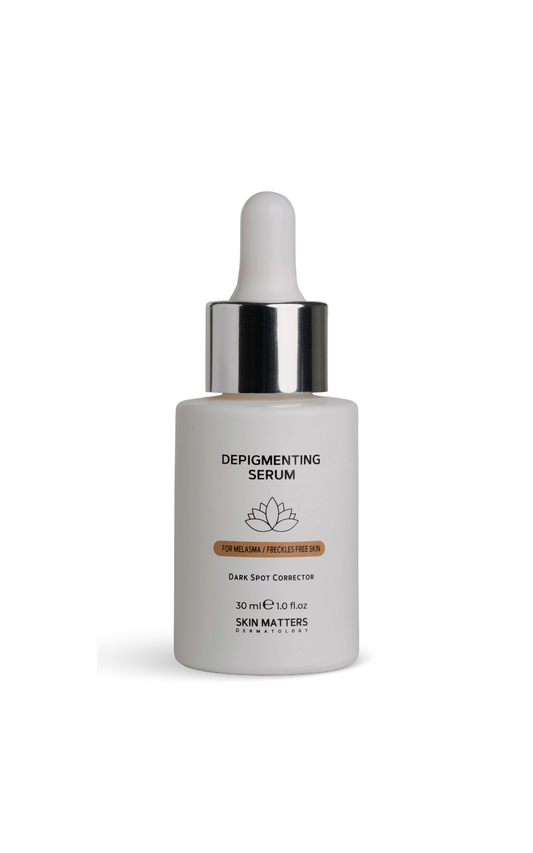
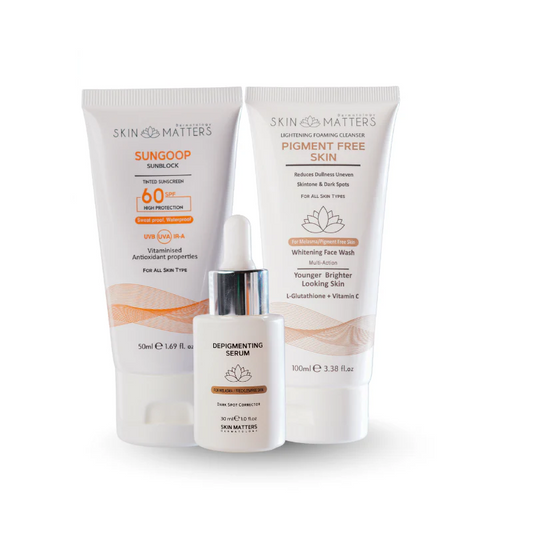
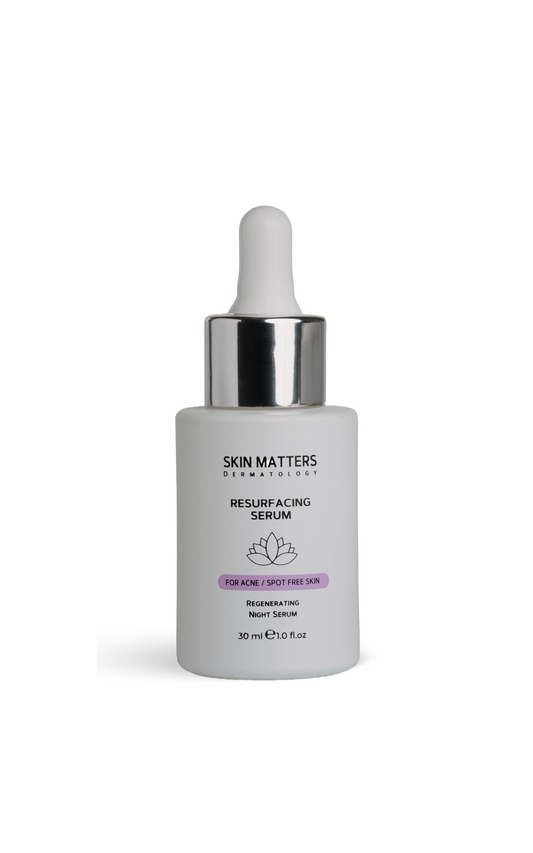
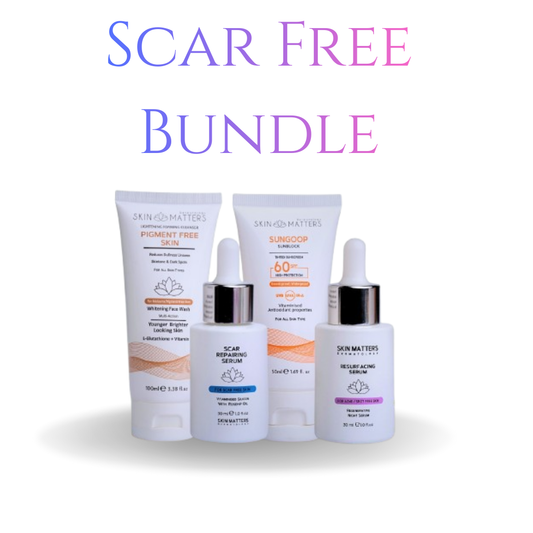
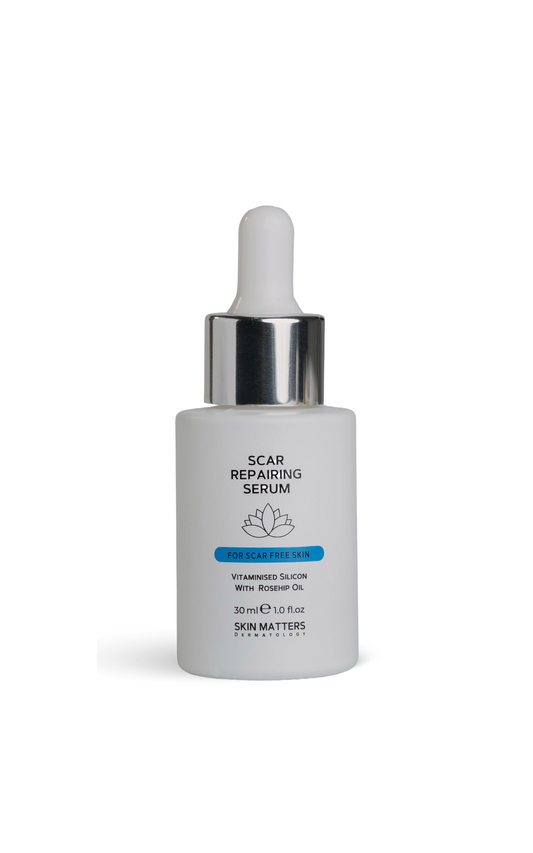
With consistent use, a high‑quality retinol serum can help your skin look smoother, firmer, and healthier. Skin Matters offers some of the best retinol serums formulated to meet the needs of various skin types and concerns, making them a strong choice for those seeking real and visible results.
This article will explain the benefits of retinol, how it works, how to use it safely, and how incorporating retinol serum into your skincare routine can transform your skin in a sustainable way.
What Is Retinol?
Retinol is a derivative of Vitamin A. It belongs to a class of ingredients called retinoids, which are known for their ability to boost cellular turnover and stimulate collagen production within the skin.
Retinol works at a deeper level than surface‑only ingredients. It signals skin cells to shed older, dull layers and replace them with fresh, new cells. This process leads to smoother texture, reduced lines, and more even tone.
The Main Benefits of Retinol Serum
Improves Skin Texture
One of the most frequently discussed retinol serum benefits is its impact on skin texture. By accelerating the natural exfoliation cycle, retinol helps:
-
Smooth rough patches
-
Reduce bumps and uneven areas
-
Promote a softer, more refined complexion
This makes retinol useful for people dealing with roughness or frequent breakouts.
Reduces Fine Lines and Early Signs of Aging
Collagen begins to decline naturally as early as the mid‑20s. Over time, this leads to fine lines, sagging, and loss of elasticity.
Retinol stimulates collagen production, helping:
-
Minimize fine lines
-
Improve elasticity
-
Support a firmer appearance
Using a quality retinol serum, such as those available at Skin Matters, ensures that you get a product that effectively supports these anti‑aging goals.
Helps With Acne and Breakouts
While many people think of retinol primarily as an anti‑aging ingredient, it also has significant benefits in acne‑prone skin.
Retinol:
-
Keeps pores clear by increasing cell turnover
-
Reduces the formation of comedones (blackheads, whiteheads)
-
Supports clearer and calmer skin over time
When integrated into a supportive skincare routine that includes a gentle cleanser and moisturizer, retinol can help prevent future breakouts.
Fades Acne Scars and Post‑Inflammatory Marks
Acne scars and dark marks can linger long after a breakout has healed. Retinol’s exfoliating effects help fade these marks gradually by encouraging the skin to renew itself.
Pairing retinol with products that support barrier repair—such as serums containing hyaluronic acid or niacinamide—can enhance this effect while protecting the skin from irritation.
How Retinol Works at the Cellular Level
Retinol binds to special receptors in skin cells called retinoic acid receptors. Once activated, these receptors signal increased cell turnover and fresh cell growth at a faster pace than the skin’s baseline.
This process:
-
Sloughs off dull, dead skin
-
Encourages collagen production
-
Improves elasticity and texture
The result is smoother, clearer, and more youthful‑looking skin with consistent use.
How to Use Retinol Serum Safely
Using retinol incorrectly can cause dryness, irritation, redness, or flaking. Following a systematic approach ensures the benefits while minimizing side effects.
Start Slowly
Beginners should:
-
Apply retinol 2–3 times per week initially
-
Monitor tolerance and adjust frequency
-
Use a pea‑sized amount
Starting slowly allows your skin to build tolerance without excessive irritation.
Use at Night Only
Retinol increases skin sensitivity to sunlight. For this reason:
-
Apply retinol only at night
-
Follow with a moisturizer
-
Avoid daytime use without sunscreen
Moisturize Generously
Retinol can cause dehydration during the initial stages of use. Applying a barrier‑supporting moisturizer helps:
-
Reduce tightness
-
Minimize flakiness
-
Maintain skin balance
Products from Skin Matters are formulated to support hydration while delivering active benefits, which helps make retinol easier to tolerate for sensitive skin.
Avoid Harsh Exfoliants
When using retinol:
-
Avoid exfoliating acids (like strong AHAs/BHAs) on the same night
-
Avoid scrubs that can damage the skin barrier
-
Instead, use gentle, hydrating products that support skin health
When Will You See Results?
Patience is key with retinol. Unlike products that provide temporary surface effects, retinol changes the way your skin functions.
Typical timelines:
-
Initial texture improvement: 2–4 weeks
-
Reduction in fine lines: 6–8 weeks
-
Deeper improvements in tone and firmness: 10–12 weeks
Because retinol targets processes at a deeper cellular level, the results become clearer and more significant over longer periods of consistent use.
Combining Retinol With Other Skincare Ingredients
Retinol works well with specific supportive ingredients but may conflict with others.
Works Well With
-
Hyaluronic Acid: Enhances hydration and reduces dryness
-
Niacinamide: Calms the skin and supports barrier function
-
Ceramides: Strengthen the skin’s natural protective layer
Use With Caution
-
Vitamin C (in the same routine): Strong actives used together may increase irritation. If both are included, use vitamin C in the morning and retinol at night.
Common Retinol Mistakes to Avoid
Applying Too Often Too Soon
Increasing frequency too quickly can lead to irritation. Gradual introduction is essential for sustained benefits.
Not Using Sunscreen
Retinol increases sun sensitivity, so daily broad‑spectrum sunscreen is required to prevent sun damage and pigmentation.
Skipping Moisturizer
Retinol works best when skin is supported by adequate hydration. Moisturizers reduce flaking and discomfort while enhancing product performance
Retinol and Different Skin Types
Normal Skin
Retinol can be integrated gradually with good tolerance and minimal adjustment.
Dry or Sensitive Skin
Choose a lower concentration. Formulas from Skin Matters include supportive ingredients to enhance tolerance and reduce irritation.
Oily or Acne‑Prone Skin
Retinol supports cell turnover and oil balance, which helps reduce breakouts when paired with acne‑friendly cleansers.
Retinol Serum: Usage in a Complete Routine
A balanced routine might look like this:
Morning
-
Gentle cleanser
-
Antioxidant serum (e.g., vitamin C)
-
Lightweight moisturizer
-
Sunscreen
Night
-
Gentle cleanser
-
Retinol serum
-
Moisturizer
This structured routine optimizes overall skin health while maximizing the benefits of retinol.
Final Thoughts
Retinol serum is one of the most effective and validated skincare ingredients available today. Its ability to support healthier skin at a foundational level makes it valuable for:
-
Improving texture
-
Reducing fine lines
-
Supporting clearer skin
-
Fading acne marks
Choosing a high‑quality formula can make a significant difference. Skin Matters offers some of the best retinol serums designed to deliver results while supporting overall skin health.
When used consistently and correctly, retinol can become the cornerstone of a skincare routine that promotes long‑term, visible improvements.