
How to Tell Your Skin Type at Home

Knowing your skin type is the basis of any successful skincare routine. In Pakistan, for the most part, people just follow the latest trends when it comes to choosing a product suitable for their skin, and the results turn out quite horrific, usually with breakouts or dry lips as the case. You can easily determine your skin type at home for little or no cost in just a few minutes. Lather, rinse, and repeat! After you have determined what type of skin you have, cease the guessing game and select the products that are meant for you. It’s at this point that you can start your very specific routine and watch as your skin care works for you instead of against you. This guide will take the guesswork out of determining whether your skin is oily, dry, combination, normal, or sensitive — and all from the comfort of your home.
The Importance of Knowing Your Skin Type
The skin type decides what is good for it and what’s not. The wrong products can exacerbate acne, dullness, redness, or dehydration. And in Pakistan, given the heat, humidity, and pollution combined with dehydration, it becomes even more important to know your skin. Those living in urban centers such as Karachi and Lahore may have oily skin because of humidity, while people from the northern or dry regions deal with dry skin even during the winter months. Knowing your skin type can help you pick the best skincare routine, sunscreen, and makeup.
Start With the Bare-Face Method
If you want a quick, accurate way to determine your skin type, follow the bare-face method. Cleanse your face with a gentle cleanser, and let your skin dry. Don’t put anything on over it. 30 to 60 minutes. Your skin does not need anything to bear. Do consider how your skin feels and looks during this time. Your natural sebum production and moisture will determine what your actual skin type is. This was an amazing way to do Hijab in the Pakistani climate, such as the hot and humid city or a cooler place.
Signs You Have Oily Skin
If, after 30 to 60 minutes, your face is shining like the top of the Chrysler Building, particularly across your forehead, nose, and cheeks, this is an indicator that you’ve got oily skin. Overactive sebaceous glands result in oily (or shiny skin), which may result in blackheads, pimples, or even larger pores. A Good tonic for oily skin in Summer, many people in Pakistan have skin full of oil, especially during the time of hot Summers. Makeup may remove easily, and your face may still feel oily after washing. If blotting paper gets soaked easily, then you have oily skin.
Signs You Have Dry Skin
Dry skin tends to be tight, rough, or flaky. If your skin feels uncomfortable or looks dull, dry skin is probable, especially if you wash your face and leave it naked. Dry skin has trouble producing its own natural oils, especially during the winter season in Pakistan, as the moisture level goes down. You might see little dry spots on the mouth, nose, or forehead. Dry skin Fine lines are also more noticeable on dry skin because of dehydration.
Signs You Have Combination Skin
It is a mixture of both skin types, and it’s the type that we most commonly have in Pakistan. It indicates you have an oily T-zone — that’s your forehead, nose, and chin — while the rest of your face tends to be normal or dry. After the bare-face time (above), you might see a little shine in the middle of your face, but dryness around your cheeks. Combination skin needs a balanced routine that can moisturize dry areas and counteract grease in the T-zone. The weather changes in Pakistan can also make combination skin problematic, since humidity plays out differently in different zones.
Signs You Have Normal Skin
True normal skin is perfectly balanced; it isn’t too oily or dry. Your skin will be soft and smooth, feeling an hour after you’ve cleansed. NO greasy or flaky stuff, it’s cheese!!!! Pores are small, and overall skin tone appears healthy. Your normal skin may be the least complicated to care for, but you still require a regimen that shields it from pollution and sun damage, two of Pakistan’s biggest skincare concerns.
Signs You Have Sensitive Skin
Sensitive skin responds to new products, a change in weather, or even spicy food — a staple of many Pakistani diets. If your naked face itches, feels irritated, or red within an hour, you are sensitive. If you have sensitive skin, then use fragrance-free products, because your skin may get inflamed. You might also have reactions to thicker creams, strong actives, or even hot water.
Try the Blotting Paper Test
Another simple way to figure out your skin type is to use blotting paper. Lightly press the paper on several areas of your face. If the paper collects oil in the entire region, your skin is oily.” If it has oil only in the T-zone, your skin is a combination. If you don’t see much or any oil at all, then your skin type is likely dry to normal. In the humid areas of Pakistan, Ratio Prop can become particularly useful because the production of oil increases abnormally in humid zones.
Pay Attention to Your Skin Throughout the Day
You can also get a feel for your skin type through your daily habits. If your makeup slides off shortly after you apply it, or if you tend to get shinier later in the day, then chances are, you’ve got oily skin. It is dry if your skin feels tight in the winter or after washing. You have sensitive skin. If you’re reactive to perfumes or strong formulas, your skin is sensitive. If those day-to-day cues are listened to, selecting the right products becomes simpler.
Final Thoughts
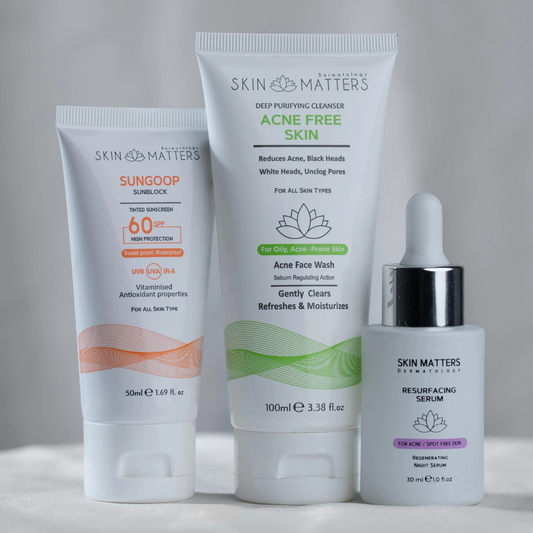
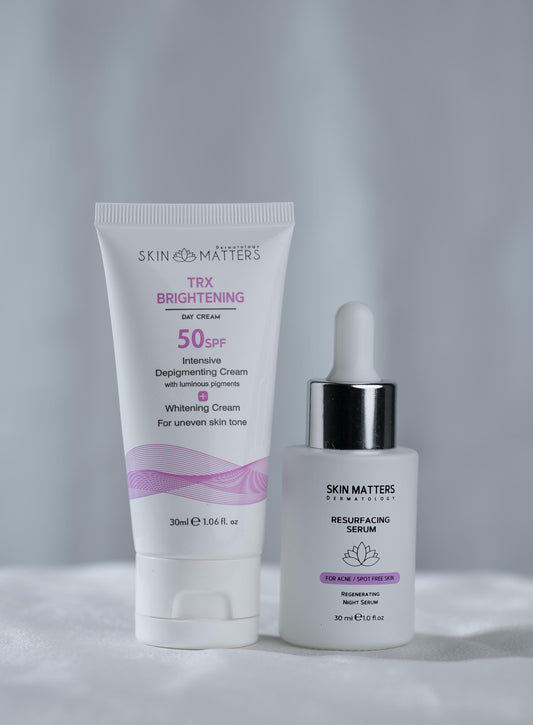
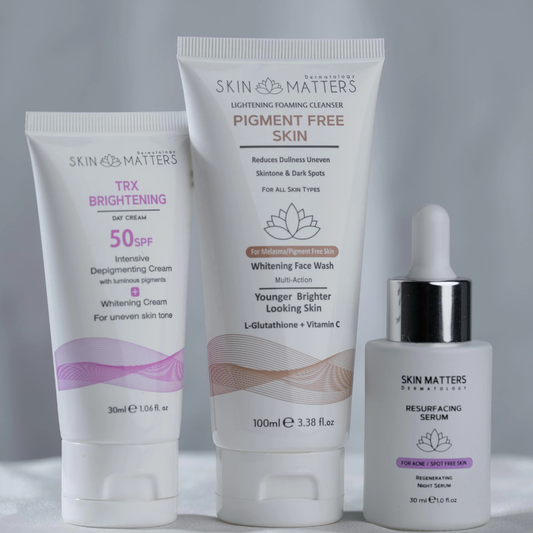
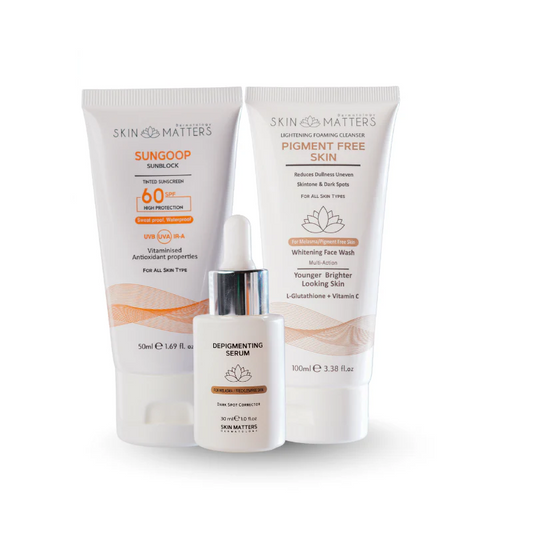
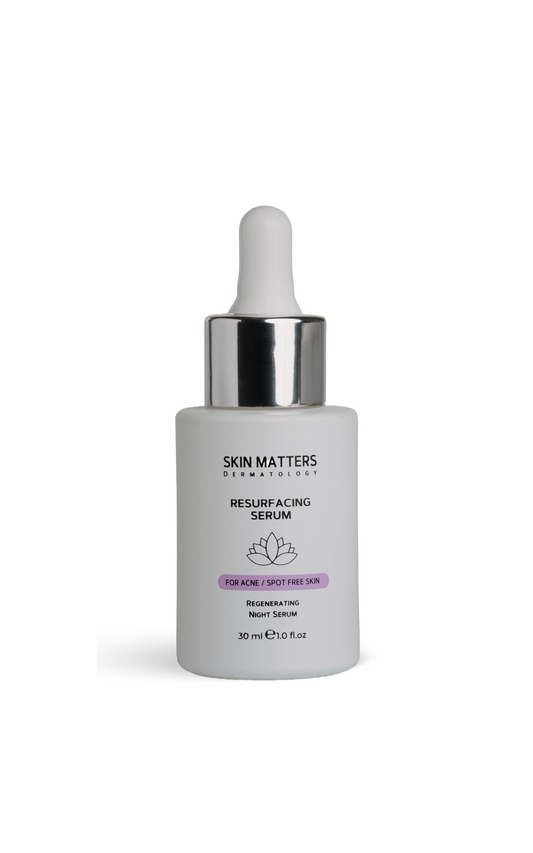
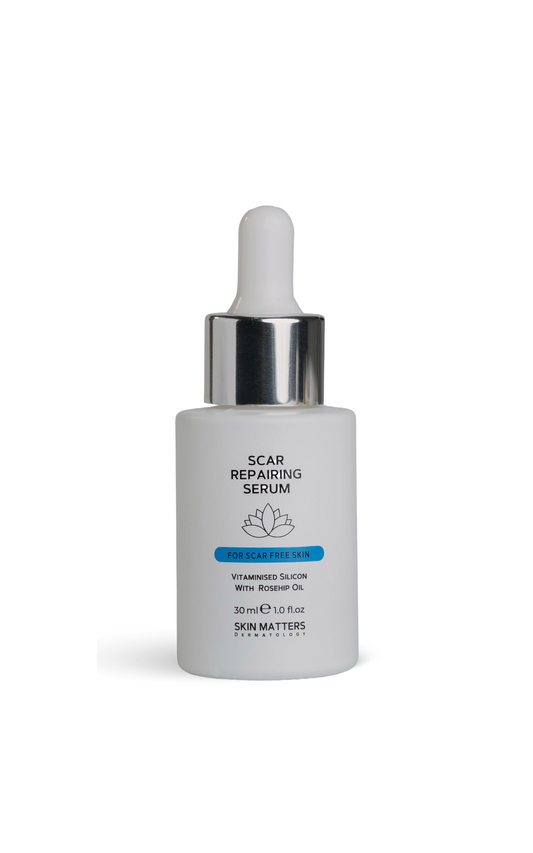
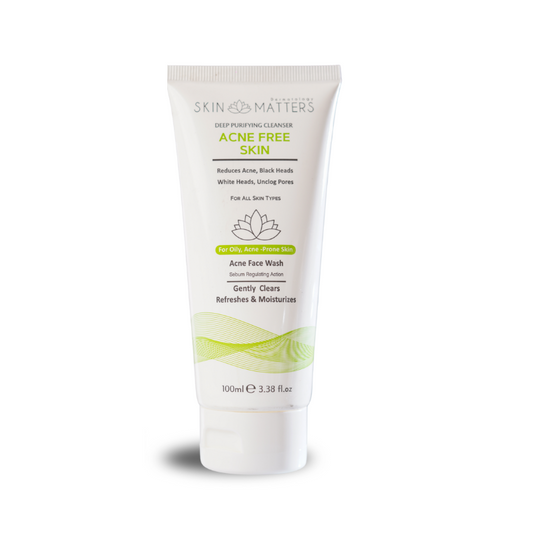
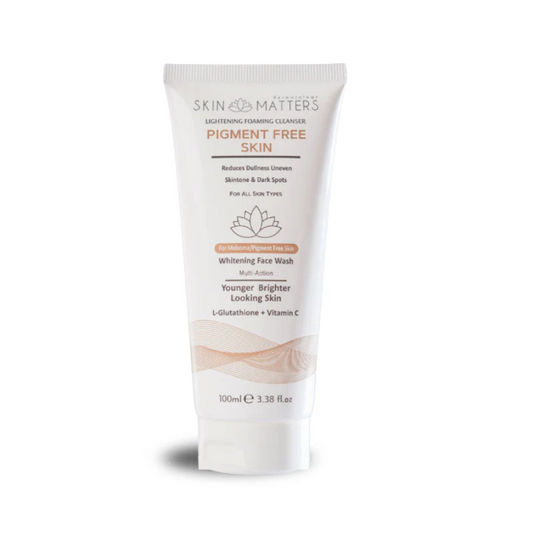
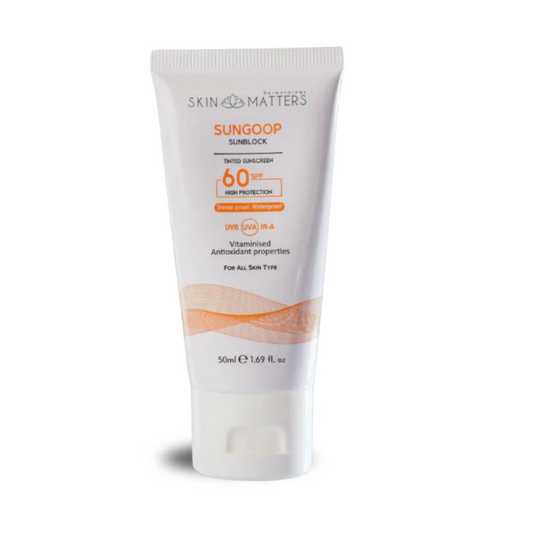
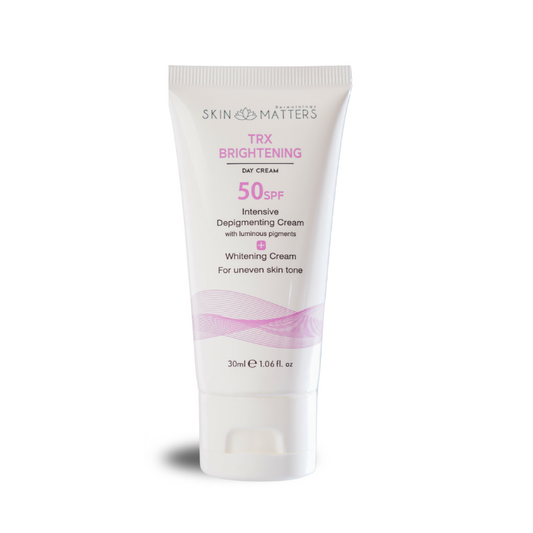
It’s easy to tell what your skin type is for home use. Once you know if your skin is oily, dry, combination, normal, or sensitive, you can customize a routine that works for Pakistan’s climate and your own needs. The best skincare products can work wonders for your skin — but only if they’re well-suited to your skin type. Once you are in tune with your skin, you can opt for moisturizers, cleansers, sunscreens, and serums that deliver real results. For the best products that have all been tested and proven by dermatologists for Pakistani skin, check out the variety at Skin Matters
Read More:
Why Vitamin C Serum Should Be Part of Your Daily Skincare Routine
How Sunscreen Helps Your Skin: A Must-Have for Daily Protection