
How to Reduce Pigmentation and Dark Spots: Effective Skincare Solutions

Dark spots and pigmentation are common skin concerns that affect many individuals, regardless of age. They can appear due to sun exposure, hormonal changes, acne scars, or inflammation, leading to uneven skin tone and a dull complexion.
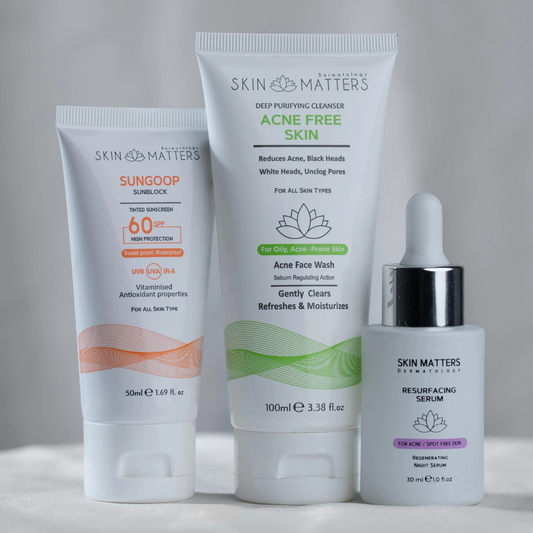
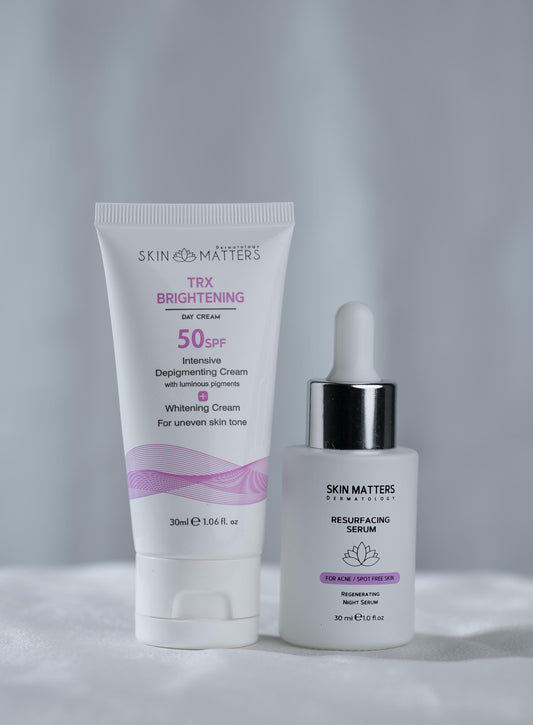
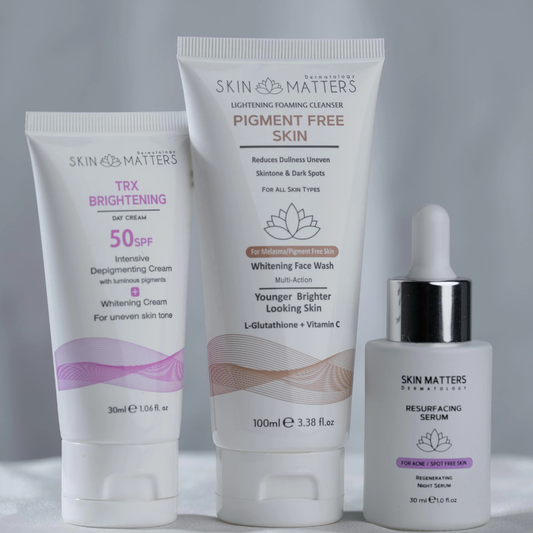
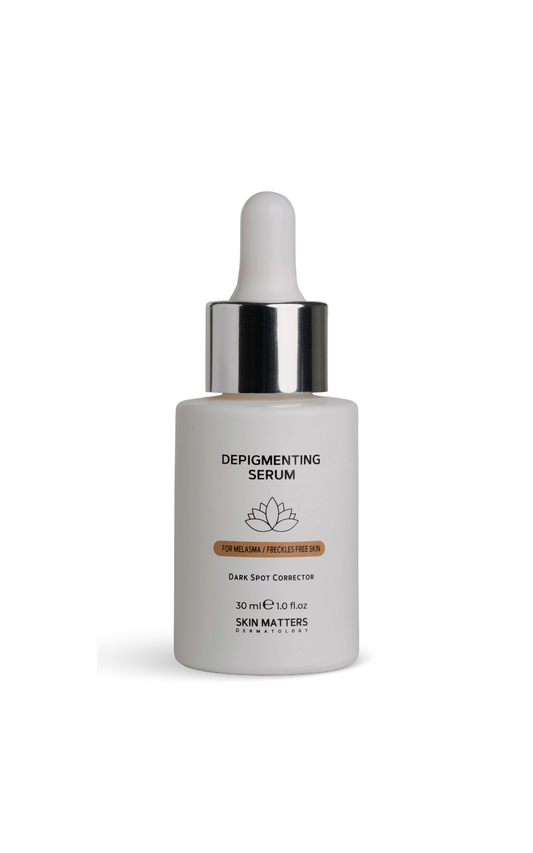
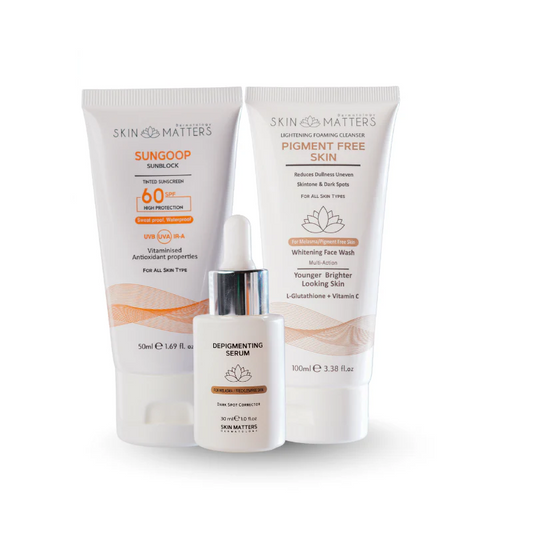
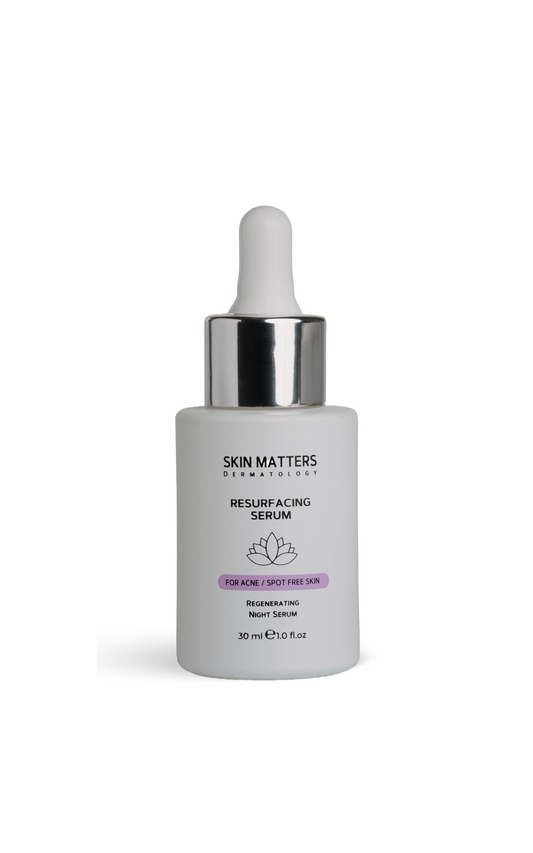
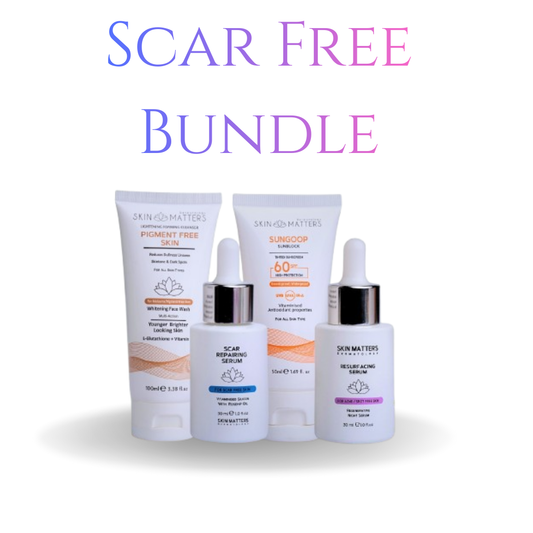
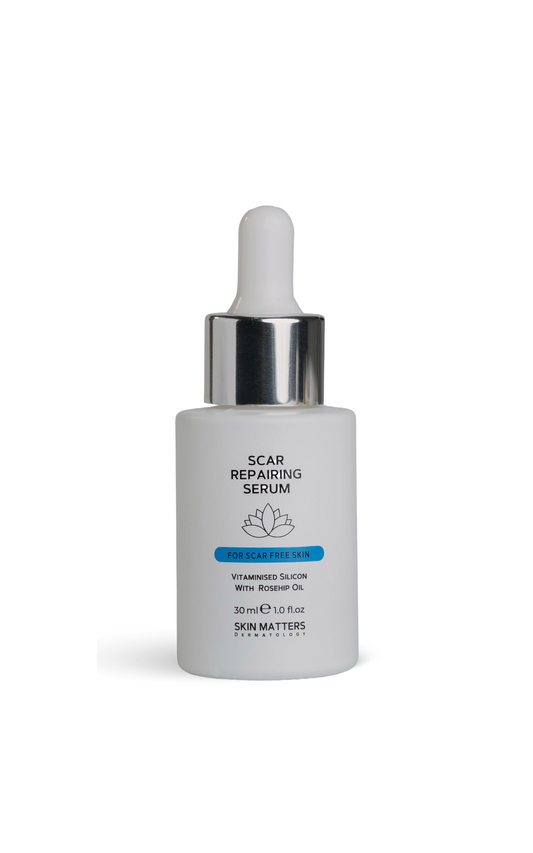
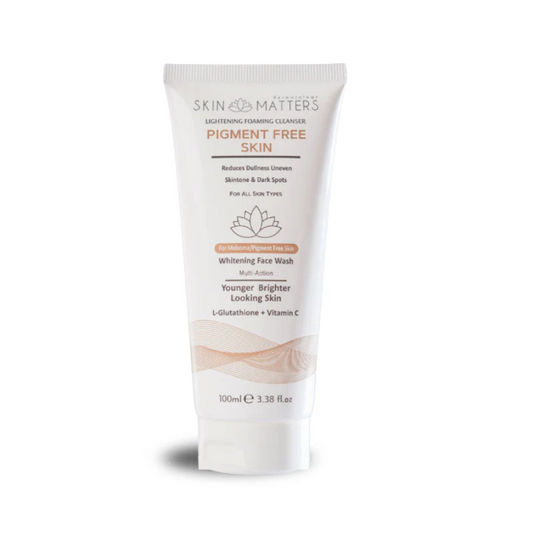
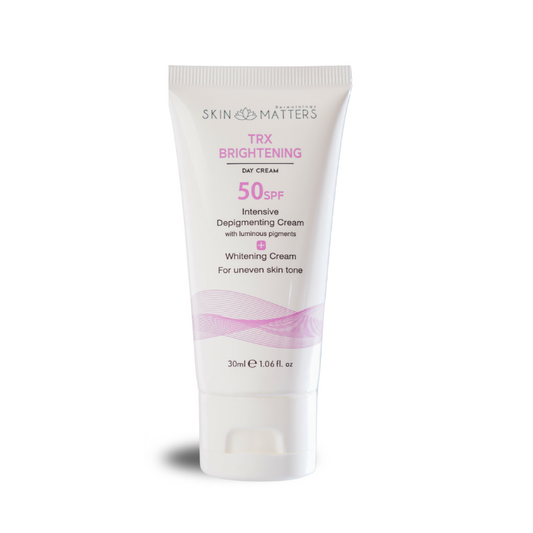
The good news is that pigmentation and dark spots can be treated effectively with a combination of the right skincare products, consistent routines, and sun protection. Skin Matters offers some of the best products specifically formulated to target pigmentation, helping individuals achieve a brighter and more even complexion.
This article explores causes, solutions, and best practices for treating pigmentation and dark spots effectively.
Understanding Pigmentation and Dark Spots
Pigmentation occurs when melanin, the natural pigment in the skin, is produced in excess. This can result in:
-
Sunspots or solar lentigines: Caused by prolonged UV exposure
-
Post-inflammatory hyperpigmentation (PIH): Marks left after acne or injury
-
Melasma: Often hormone-related, appearing as larger patches of darkened skin
Understanding the cause is critical to choosing the right treatment approach.
Causes of Pigmentation and Dark Spots
Sun Exposure
UV rays are the most common cause of pigmentation. Over time, unprotected skin develops sunspots and uneven tone.
Hormonal Changes
Pregnancy, birth control pills, or hormonal imbalances can trigger melasma, especially on the face.
Acne and Skin Inflammation
Breakouts and injuries can leave post-inflammatory hyperpigmentation, which may persist long after healing.
Aging
Aging skin naturally develops dark spots due to cumulative sun exposure and slower cell turnover.
Effective Ingredients for Treating Pigmentation
Vitamin C
Vitamin C is a powerful antioxidant that reduces melanin production, brightens skin, and promotes an even tone.
Benefits:
-
Fades dark spots
-
Protects against environmental damage
-
Improves overall brightness
Vitamin C serums from Skin Matters are formulated to deliver optimal results for pigmentation concerns.
Niacinamide
Niacinamide (Vitamin B3) reduces excess melanin transfer and calms inflammation.
Benefits:
-
Minimizes hyperpigmentation
-
Supports barrier health
-
Reduces redness and irritation
Retinol
Retinol increases skin cell turnover, helping fade dark spots and improve skin texture over time.
Benefits:
-
Accelerates fading of acne scars and sunspots
-
Smooths rough texture
-
Enhances the effectiveness of other brightening ingredients
Alpha Arbutin
Alpha arbutin is a gentle, effective compound that inhibits melanin production.
Benefits:
-
Reduces dark spots gradually
-
Suitable for sensitive skin
-
Can be combined with other brightening agents
Sunscreen
Sunscreen is the most critical step in preventing further pigmentation.
Tips:
-
Use SPF 30 or higher daily
-
Reapply every 2–3 hours if outdoors
-
Opt for broad-spectrum protection
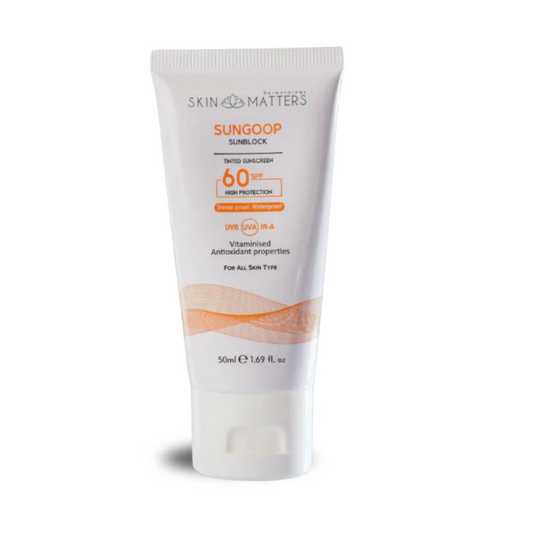
Skin Matters offers sunscreens formulated for sensitive and pigmentation-prone skin, making them ideal for daily use.
Skincare Routine for Pigmentation
A consistent routine using targeted products delivers the best results.
Morning Routine:
-
Gentle cleanser
-
Vitamin C serum
-
Moisturizer
-
Broad-spectrum sunscreen
Night Routine:
-
Gentle cleanser
-
Retinol or brightening serum
-
Niacinamide serum (optional)
-
Moisturizer
Using Skin Matters serums ensures active ingredients are well-formulated and effective, enhancing visible results.
Tips for Faster and Safer Results
Avoid Over-Exfoliation
Excessive scrubbing can irritate the skin and worsen pigmentation. Stick to mild exfoliation 1–2 times a week.
Stay Consistent
Pigmentation treatments require time. Improvements are usually visible in 4–8 weeks, depending on the cause and severity.
Avoid Harsh Chemicals
Hydroquinone or strong acids may work quickly but can cause long-term damage if not used correctly. Prefer gentle, dermatologist-recommended products like those from Skin Matters.
Protect Skin from Sun
Even if using brightening treatments, sun exposure can reverse progress. Sunscreen is non-negotiable.
Lifestyle Factors That Support Pigmentation Treatment
-
Healthy Diet: Rich in antioxidants and vitamins supports skin health
-
Hydration: Adequate water intake aids natural repair
-
Sleep: Helps skin regenerate and repair pigmentation damage
-
Stress Management: Reduces hormone-triggered melasma
Professional Treatments vs. Home Skincare
While dermatological treatments like chemical peels or laser therapy are options for stubborn pigmentation, consistent use of high-quality serums and creams often provides excellent results without invasive procedures.
Products from Skin Matters provide professional-grade formulations for home use, making it easier to manage pigmentation safely and effectively.
How Long Does It Take to See Results?
-
Initial brightening: 2–4 weeks
-
Reduction in mild pigmentation: 6–8 weeks
-
Significant improvement in dark spots: 10–12 weeks
Consistency and the right combination of ingredients are key to achieving noticeable results.
Final Thoughts
Pigmentation and dark spots can significantly impact confidence, but the right approach can make a visible difference. Using products formulated with active ingredients like Vitamin C, Niacinamide, Retinol, and Alpha Arbutin ensures your skin receives the care it needs.
Skin Matters offers some of the best products for pigmentation, combining safe, effective ingredients with formulations suitable for all skin types. Pairing these products with proper sun protection and consistent routines allows you to achieve a brighter, more even complexion over time.