
How Pollution Affects Your Skin and How to Protect It

In today’s fast-paced urban environment, we are constantly reminded of the impact of air quality on our lungs and respiratory health. However, there is another organ that bears the direct brunt of environmental toxins every single day: your skin.
As the primary barrier between your body and the outside world, your skin is the first line of defense against a cocktail of gases, heavy metals, and microscopic particles. For the modern Pakistani consumer, where dust, traffic exhaust, and industrial emissions are part of daily life, understanding "Pollution-Induced Aging" is no longer optional—it is a necessity.
At Skin Matters, we are dedicated to helping you navigate these environmental challenges. In this article, we’ll break down the science of how pollution damages your complexion and provide a comprehensive strategy to keep your skin resilient and glowing.
The Science: How Pollutants Breach the Skin
Air pollution consists of various harmful components, but the most damaging are Particulate Matter (PM). These are microscopic particles—often 20 to 30 times smaller than a human pore—that can easily lodge themselves deep within the skin.
When these particles penetrate the skin barrier, they trigger a chemical reaction known as Oxidative Stress. This process creates "free radicals," unstable molecules that steal electrons from your healthy skin cells, leading to a cascade of damage that is difficult to reverse without the right intervention.
4 Major Ways Pollution Damages Your Skin
1. Premature Aging and "Smog Lines."
Pollution is one of the leading causes of extrinsic aging. Free radicals break down collagen and elastin, the proteins responsible for keeping your skin firm and bouncy. Over time, constant exposure leads to sagging skin and the appearance of fine lines and wrinkles much earlier than biological aging would dictate.
2. Hyperpigmentation and Uneven Tone
Have you noticed stubborn dark spots that won't go away? Research shows that nitrogen dioxide and particulate matter stimulate melanocytes (pigment-producing cells). This results in "pollutant-induced lentigines" or dark spots, making the skin look dull, muddy, and uneven.
3. Chronic Inflammation and Sensitivity
Pollution strips the skin of its natural oils and Vitamin E. This weakens the acid mantle (your skin’s protective seal), leading to increased sensitivity, redness, and conditions like eczema or rosacea flare-ups. If your skin feels itchy or "tight" after being outdoors, pollution is likely the culprit.
4. The Acne-Pollution Connection
When soot and dust mix with your skin's natural sebum (oil), they create a thick, wax-like plug that suffocates your pores. This leads to an increase in blackheads, whiteheads, and painful inflammatory acne. This is particularly problematic in humid climates where oil production is already high.
Your Anti-Pollution Skincare Roadmap
You cannot change the air quality outside, but you can change how your skin responds to it. Here is a dermatologist-approved routine to shield your skin, featuring the types of solutions we prioritize at SkinMatters.shop.
Phase 1: The Deep Detox (Cleansing)
A standard face wash is often insufficient to remove microscopic pollutants.
-
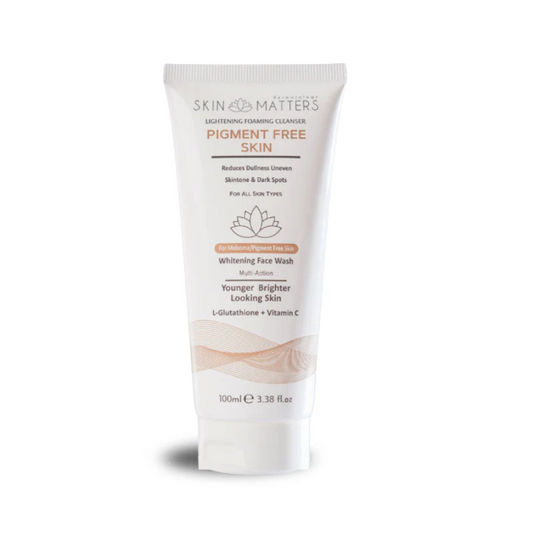
Double Cleanse: Use an oil-based cleanser or micellar water first to dissolve the "grime" and water-resistant sunscreen. Follow with a gentle, pH-balanced foaming cleanser.
-
Exfoliate Wisely: Use chemical exfoliants like Salicylic Acid (BHA) twice a week to "vacuum" out the pores and prevent the buildup of city dust.
Phase 2: Neutralize with Antioxidants
Antioxidants are your skin's internal shield. They "sacrifice" themselves to free radicals so your skin cells don't have to.
-
Vitamin C: Apply a Vitamin C serum every morning. It brightens the skin and provides a secondary layer of protection against environmental aggressors.
-
Niacinamide (Vitamin B3): This is a powerhouse for urban living. It strengthens the skin barrier, reduces redness, and prevents pollutants from sticking to the skin surface.
Phase 3: Repair the Barrier
A "leaky" skin barrier allows toxins in and moisture out.
-
Ceramides and Fatty Acids: Look for moisturizers that contain Ceramides. These act as the "mortar" between your skin-cell "bricks," creating a physical seal that pollutants cannot easily penetrate.
-
Hyaluronic Acid: Keep the skin plump and hydrated. Dehydrated skin is more prone to microscopic cracks, which act as entry points for toxins.
Phase 4: The Ultimate Shield (SPF)
UV rays and pollution work in a "synergistic" way—meaning they make each other more damaging. UV light can actually activate certain chemicals found in air pollution, making them more toxic to your DNA.
-
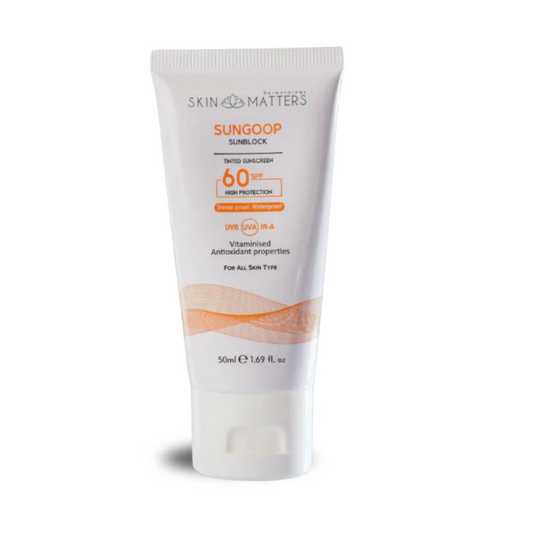
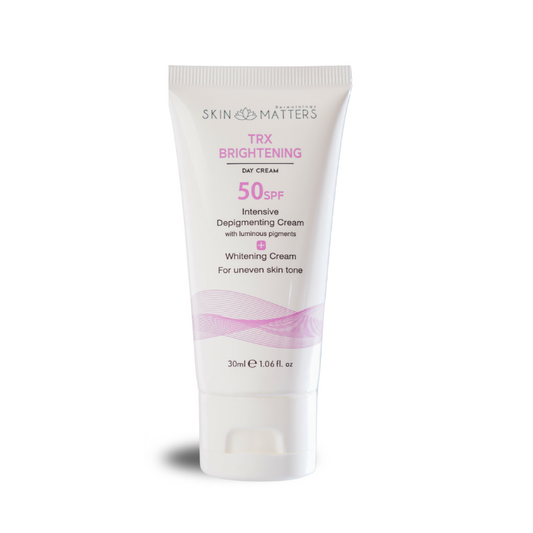
Broad-Spectrum Protection: Never leave home without SPF 50. It acts as a physical film that prevents direct contact between your skin and airborne particles.
Pro-Tips for the Pakistani Environment
-
Wash as soon as You Get Home: Don't wait until bedtime to wash your face. The longer pollutants sit on your skin, the more damage they do.
-
Hydration is Key: Drink at least 8-10 glasses of water. Well-hydrated skin has a more effective natural detoxification process.
-
Clay Masks: Once a week, use a Kaolin or Charcoal mask. These ingredients act like magnets, pulling heavy metals and toxins out of the pores.
Why Skin Matters?
At Skin Matters, we understand that skincare in our region isn't just about vanity—it's about protection. The environment we live in demands high-performance products that are both gentle and effective. We carefully curate our collection to ensure that every product serves a purpose in defending your beauty against the elements.
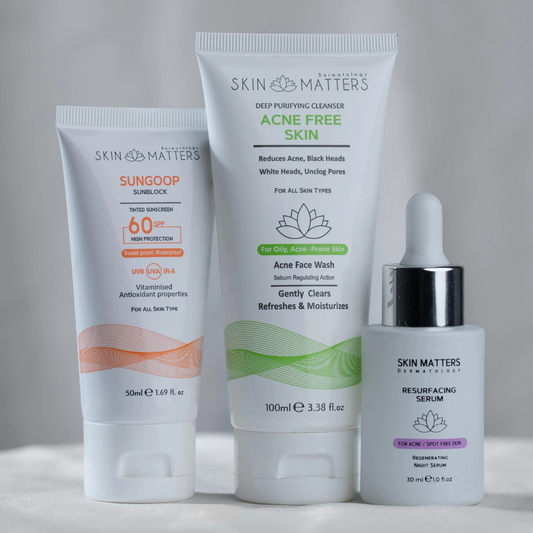
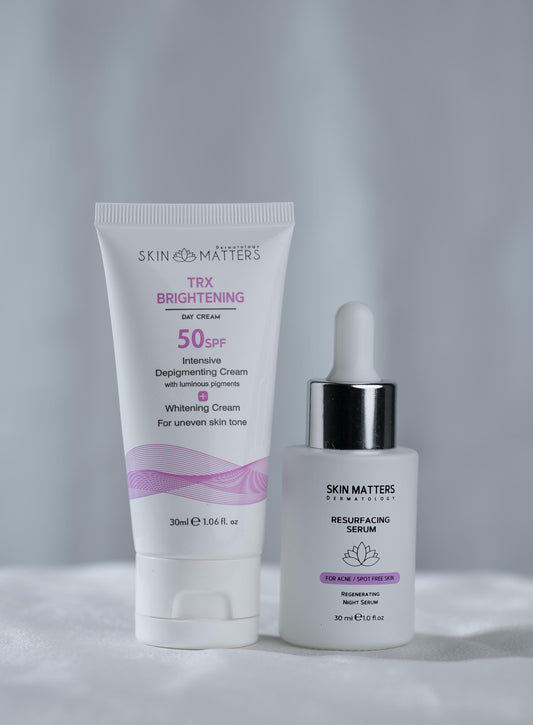
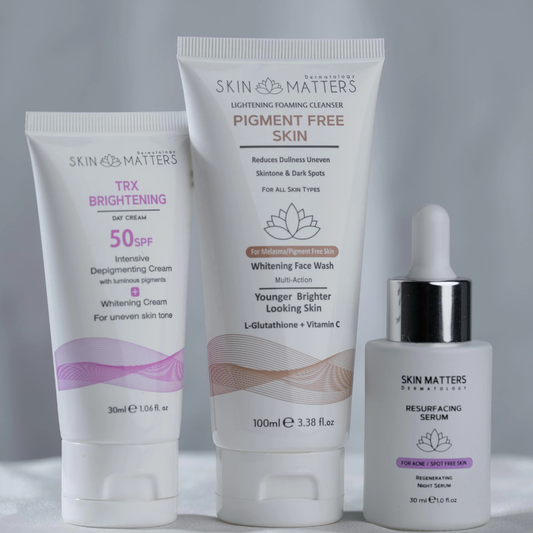
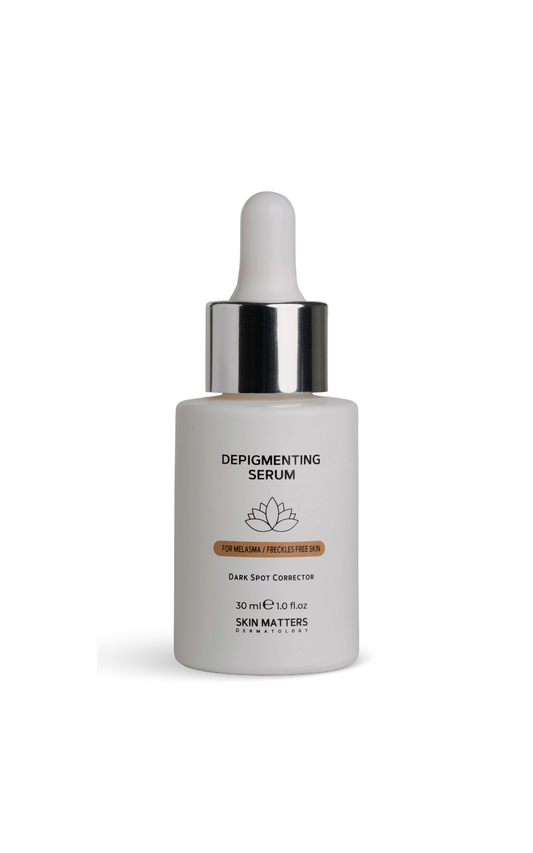
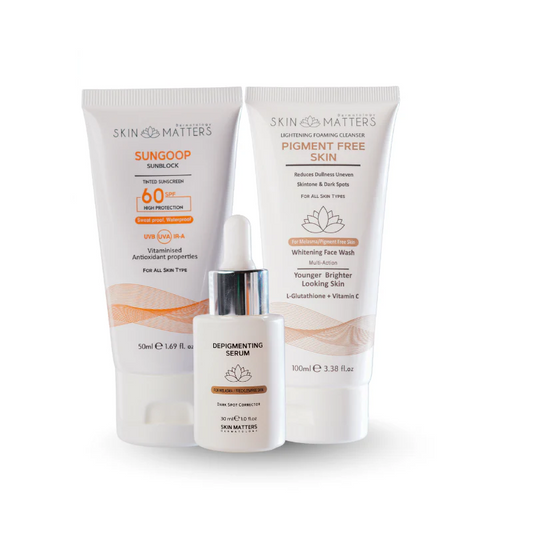
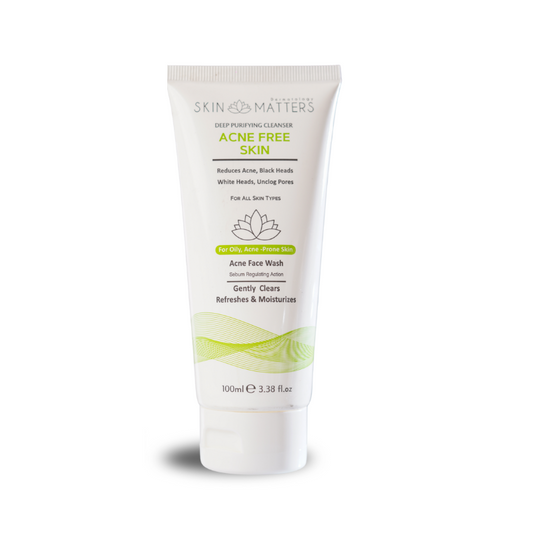
Take control of your skin health today. Visit SkinMatters.shop to find the perfect antioxidant serums like our Vitamin C Serum, barrier-repair creams, and deep cleansers tailored for your skin type.
Explore More: