
Melasma in Pakistan: Causes, Symptoms & Best Treatment Creams (2026)
What is Melasma? A Dermatologist Explains
Melasma is one of the most common and persistent skin concerns I see in my clinic. It is a form of hyperpigmentation — patches of darker skin that appear on the face, usually on the cheeks, forehead, upper lip, and chin. Unlike a suntan that affects skin evenly, melasma creates defined patches that can be quite noticeable and distressing.
In Pakistan, melasma is extraordinarily common — affecting an estimated 1 in 3 women, and a significant proportion of men as well. It is not a disease, and it does not harm your health. But it can significantly affect confidence and quality of life.
What Causes Melasma?
Melasma has three primary triggers, all of which are especially relevant in Pakistan:
- UV radiation — Pakistan's intense sun is the most significant trigger. UV rays stimulate melanocytes (pigment-producing cells) into overdrive. Even 10 minutes of unprotected sun exposure can worsen melasma significantly.
- Hormonal changes — pregnancy, hormonal contraceptives, and thyroid conditions all trigger melasma. This is why it is extremely common in Pakistani women during and after pregnancy.
- Genetics — melasma runs in families. If your mother had it, you are more likely to develop it.
How to Identify Melasma
Melasma typically appears as brown, grey-brown, or blue-grey patches, most commonly on:
- Cheeks
- Forehead
- Bridge of the nose
- Upper lip (especially the area between nose and lip)
- Chin
It often appears symmetrically on both sides of the face. If you have asymmetric dark patches, or patches on other parts of the body, consult a dermatologist — it may be a different type of hyperpigmentation.
The Best Melasma Treatments Available in Pakistan
Melasma treatment requires a multi-pronged approach. No single ingredient resolves it completely. The most effective approach combines:
1. Tranexamic Acid (TRX) — The New Gold Standard
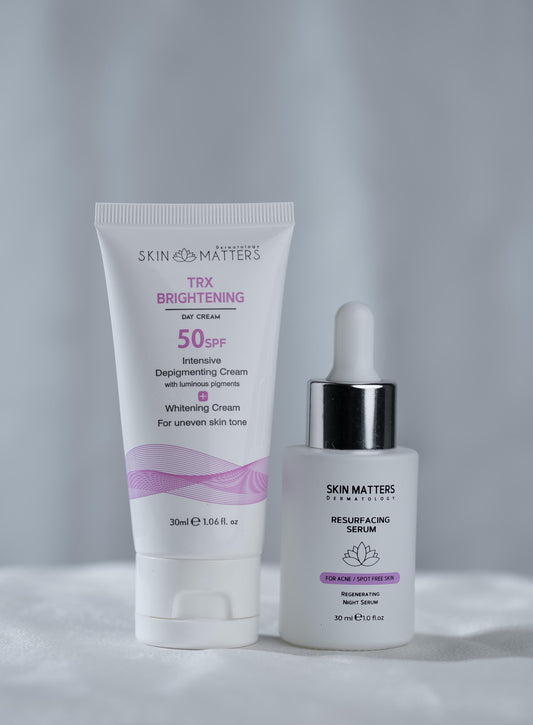
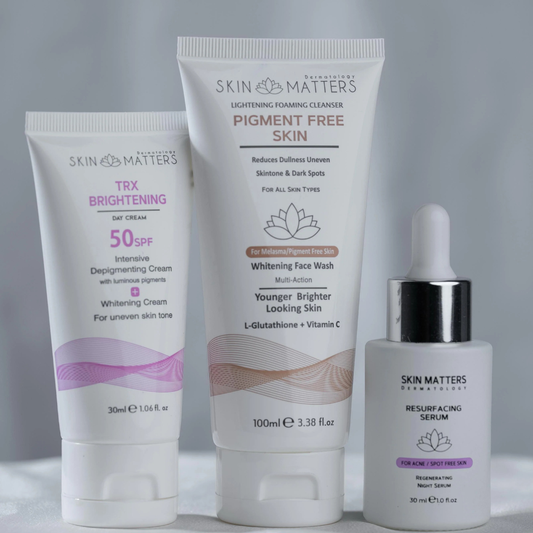
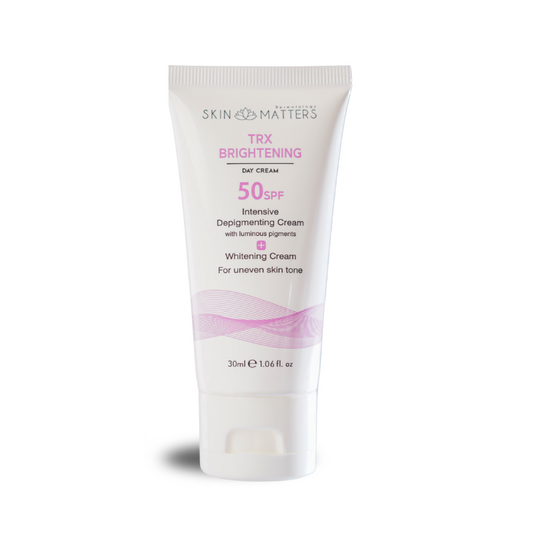
Tranexamic Acid has emerged as the most effective and safest treatment for melasma worldwide. Unlike hydroquinone (which carries risks with long-term use), TRX is safe for prolonged use and works through a different melanin pathway. The Skin Matters TRX Brightening Cream delivers clinical-grade Tranexamic Acid in a daily moisturiser format.
2. L-Glutathione — Brightening from Within
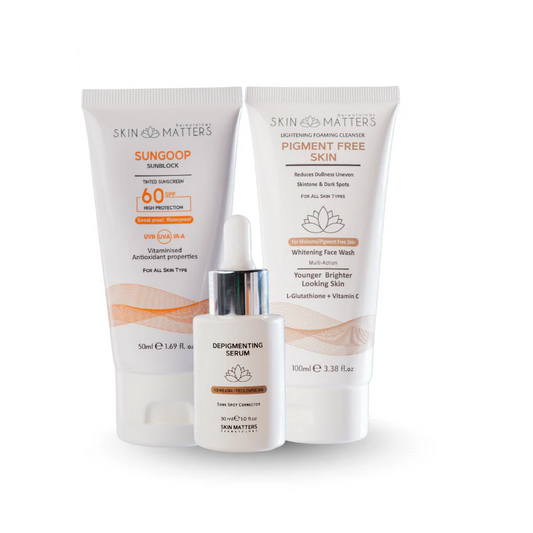
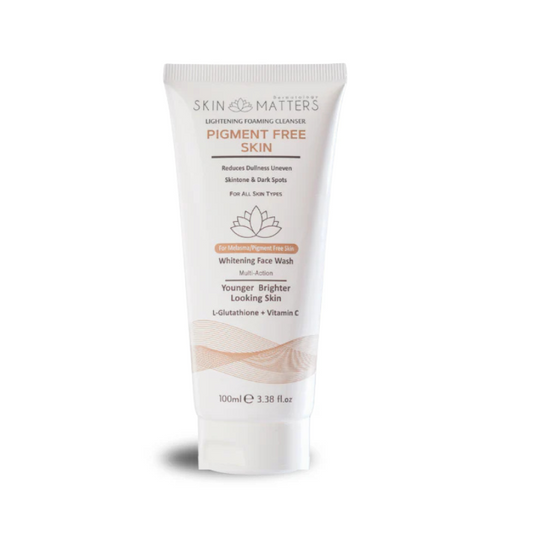
L-Glutathione is one of the most effective antioxidants for reducing overall pigmentation. The Skin Matters Pigment-Free Whitening Face Wash delivers L-Glutathione with every cleanse — treating pigmentation at the very first step of your skincare routine.
3. Depigmenting Serum — Multi-Pathway Treatment
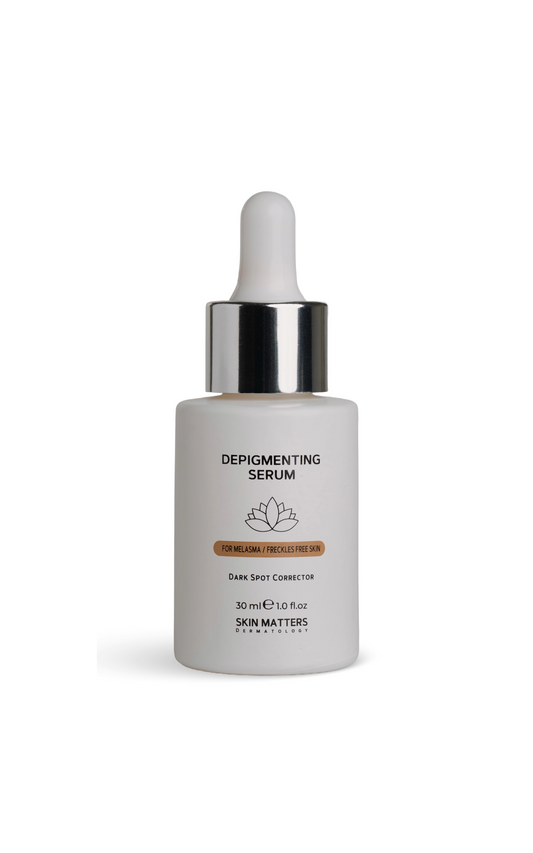
A comprehensive depigmenting serum targeting multiple melanin pathways simultaneously is more effective than any single ingredient. Our Depigmenting Serum combines Vitamin C, Alpha Arbutin, Kojic Acid, and Niacinamide for comprehensive treatment.
4. SPF 50 Sunblock — Non-Negotiable
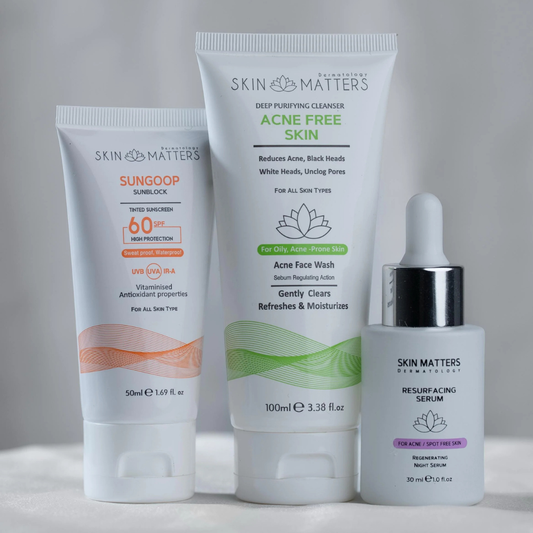
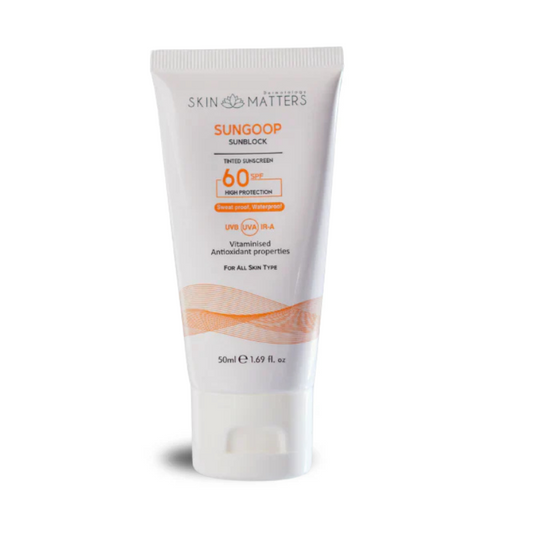
Without daily SPF 50 sunblock, melasma treatment is largely ineffective. UV rays are the primary trigger — they will undo overnight what treatment products accomplish during the day. Sungoop SPF 50 is essential.
Frequently Asked Questions
- Can melasma be cured permanently?
- Melasma can be effectively managed and visibly reduced, but it tends to recur with sun exposure or hormonal changes. The key is long-term management: consistent treatment plus daily SPF 50.
- What is the best cream for melasma in Pakistan?
- The Skin Matters TRX Brightening Cream with Tranexamic Acid is one of the most effective and safest melasma creams available in Pakistan, formulated by Dr. Attiya Tareen for South Asian skin.
- How long does melasma treatment take to show results?
- Most patients see visible lightening within 4–6 weeks. Significant improvement in melasma typically requires 8–12 weeks of consistent daily treatment.
- Is melasma the same as dark spots from acne?
- No. Post-acne dark spots (post-inflammatory hyperpigmentation) are caused by the inflammation of a pimple. Melasma has different causes and often appears in more defined, symmetrical patches.
- Does melasma worsen during pregnancy?
- Yes — it is extremely common for melasma to appear or worsen during pregnancy due to hormonal changes. Consult a dermatologist for pregnancy-safe treatment options.
Written by Dr. Attiya Tareen, Dermatologist, Rawalpindi. Shop TRX Brightening Cream → | Shop Melasma Bundle →